Sustainable Fleet Operations: The Ultimate Guide to Bus Wash Water Recycling Systems
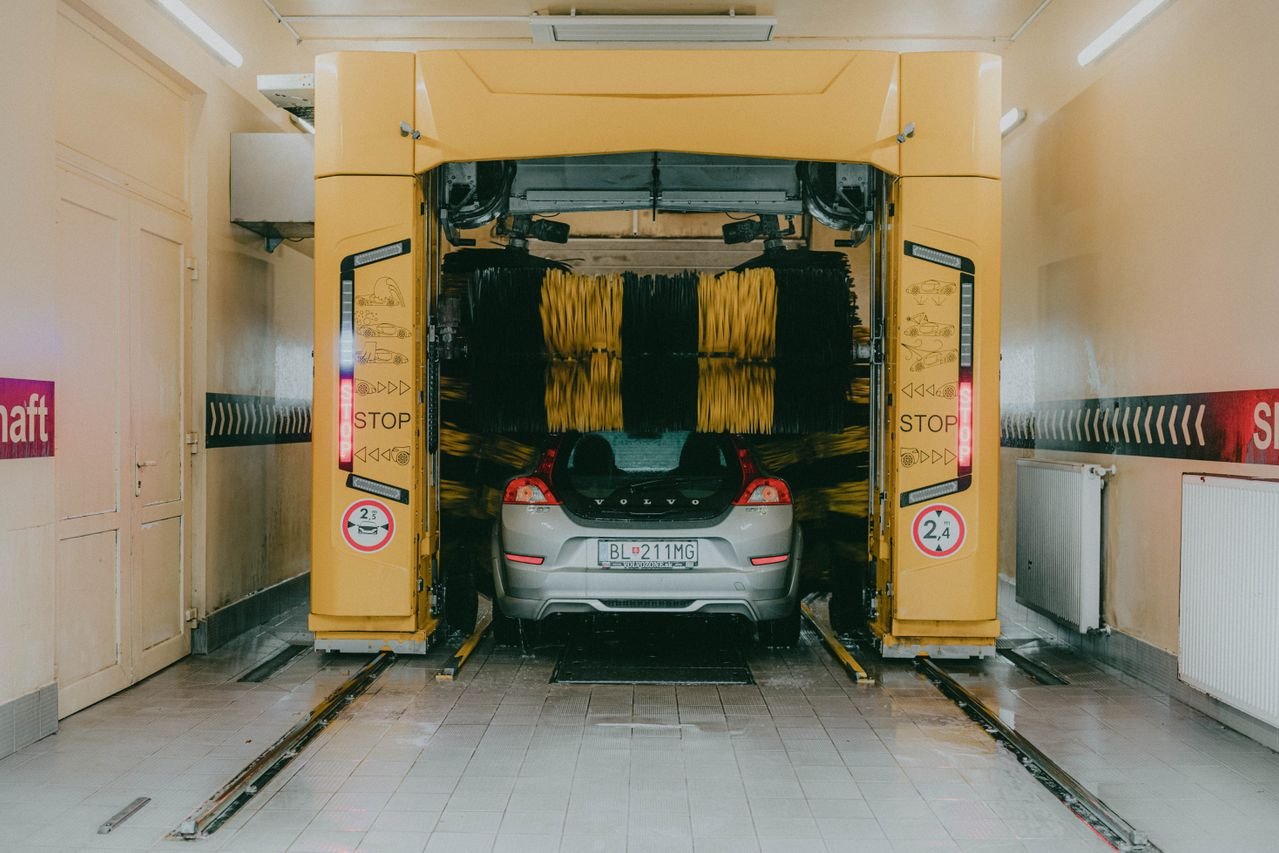
Public transit authorities, commercial motorcoach operators, and municipal fleet facilities manage dozens—sometimes hundreds—of heavy-duty buses every day. Keeping large transport fleets clean is essential for public hygiene, vehicle maintenance, and brand reputation. However, high-volume automated bus wash gantries and maintenance wash bays consume immense quantities of water. Running hundreds of gallons per cycle down municipal drains translates into astronomical utility bills, severe environmental footprints, and constant regulatory scrutiny regarding wastewater runoff.
To solve this operational challenge, modern transit facilities rely on closed-loop infrastructure. Investing in high-efficiency bus wash water recycling systems allows transit agencies and private fleet operators to continuously capture, purify, and reuse up to 90% or more of their wash water on-site. Engineered by leaders like Freylit USA—backed by over four decades of international field testing across more than 35 countries—advanced wash water reclaim units deliver bulletproof environmental compliance, lower freshwater expenses, and eliminate nasty wash bay odors without using harsh chemicals, ozone, or enzymes.
-
The Operational and Financial Case for Bus Fleet Water Reclaim
Fleet maintenance managers face a dual challenge: maintaining pristine public vehicles while reining in rising operational costs and satisfying environmental mandates. On-site water recycling shifts wastewater management from a heavy financial burden into a sustainable, cost-saving asset.
Slashing Freshwater and Sewer Utility Overhead
Commercial bus washing requires massive flow rates to strip away heavy road grime, brake dust, soot, oils, and winter de-icing chemicals. Relying entirely on municipal tap water means paying twice for every gallon used—once on the supply side and again in sewer discharge surcharges.
By continuously recovering, filtering, and re-supplying process water back to high-pressure wash arches and chassis sprayers, a reclaim system dramatically reduces freshwater consumption. This generates immediate, compounding utility savings that quickly offset the initial equipment investment.
Bulletproof Environmental Compliance and Drought Protection
Discharging contaminated transit runoff containing petroleum hydrocarbons, heavy metals, suspended solids, and detergents into municipal sewers or storm drains violates EPA Clean Water Act standards and local municipal regulations. Facilities operating without proper wastewater controls risk heavy fines, costly litigation, and mandatory operational shutdowns.
Furthermore, during seasonal droughts or municipal water restrictions, open-loop bus washes may be forced to suspend operations. Closed-loop water reclamation insulates transit operations from municipal water rationing, ensuring fleets stay clean and operational year-round.
-
Chemical-Free Reclaim: How Advanced Filtration Works
Early-generation wash water Reclaim units had a major flaw: recycled water frequently developed foul, swampy odors due to anaerobic bacteria multiplying in underground tanks. Older systems tried to combat this using harsh chemical biocides, chlorine, or high-maintenance ozone units that damaged wash equipment and exposed staff to corrosive fumes. Freylit USA eliminates these issues through a physical-electrical separation model.
Eliminating Odors Without Harsh Chemicals or Ozone
Freylit systems utilize a specialized, electrical-physical degerming process. By neutralizing biological growth at the cellular level without chemical additives, chlorine, hydrogen peroxide, or corrosive ozone gas, recycled wash water remains clean, fresh, and completely odor-free. This protects wash bay personnel from chemical exposure and prevents premature corrosion on expensive automated bus wash brushes and gantry components.
Low-Maintenance Multi-Stage Filtration
Public buses carry significant amounts of abrasive road grit, sand, and fine soot into wash bays. If these particles are not thoroughly removed from recycled water, they can damage high-pressure pumps and scratch bus windows or vehicle paint during washing.
Advanced reclaim systems utilize hydrocyclones and automated backflushing multi-stage filtration to separate fine suspended solids without requiring constant manual filter cartridge replacements. This design keeps routine maintenance to a minimum—often requiring as little as two short inspections per year.
-
High-Efficiency Separation of Oils and Heavy Contaminants
Transit vehicles pick up significant petroleum hydrocarbons—including motor oil, diesel residue, transmission fluid, and grease—along with heavy road grime during daily routes. Removing these free and emulsified oils is vital before wash water can be safely recycled back into the wash loop.
Oleophilic Coalescing Plate Technology
Gravity separation pits alone are too slow to keep up with the fast pace of automated bus wash arches. High-performance treatment incorporates corrugated coalescing plate packs. Made from oil-attracting (oleophilic) polymers, these plates cause microscopic oil droplets to merge into larger droplets that rise rapidly to the water surface, where they are automatically skimmed into waste oil storage.
Because high-grade polypropylene coalescing plates resist chemical rot and clogging, they deliver reliable oil separation for decades.
Handling Extreme Mud, Chassis Dirt, and De-Icing Salts
Bus chassis cleaning presents a unique challenge: heavy mud mixed with corrosive winter salts and road film. Reclaim setups engineered for transit facilities feature oversized silt settlement chambers and optional fine media or reverse osmosis polishing stages. This ensures that even the harsh runoff from undercarriage wash bays is purified into clear, non-corrosive rinse water.
-
Industry-Wide Applications Across Fleet Transportation
While custom-built for municipal transit systems, closed-loop wash water recycling technology scales seamlessly across various commercial transportation sectors.
Municipal Transit Depots
City bus garages operate high-capacity automated wash gantries running near-continuous cycles during shift changes. High-flow reclaim units handle processing rates from 30 to over 1,000 liters per minute, maintaining uninterrupted water delivery to match rapid washing schedules.
Commercial Motorcoach and Shuttle Operations
For private tour operators and airport shuttle lines, vehicle appearance directly impacts customer perception. Integrating fine sedimentation filtration (down to 5 or 1 micron) into the water reclaim loop ensures that recycled water leaves bus glass and painted surfaces spot-free.
-
Key Considerations When Selecting a Bus Reclaim System
Selecting the ideal wash water recycling infrastructure requires evaluating your transit facility’s daily workflow, available physical space, and long-term operating goals.
Analyzing Flow Rates and Wash Bay Infrastructure
Before installing new equipment, coordinate with environmental engineers to assess:
- Peak Flow Demand (GPM): Calculate the maximum gallons per minute consumed during peak fleet wash windows.
- Settling Tank Capacity: Ensure underground mud pits and sedimentation chambers are properly sized to handle heavy solids loading.
- Piping and Utility Integration: Plan clear routing between wash bays, treatment equipment rooms, and recycled water storage tanks.
Total Cost of Ownership (TCO) and System Maintenance
When evaluating water reclaim systems, look beyond the initial purchase price to consider long-term operating expenses:
- Consumable Savings: Systems operating without replacement filter media, ongoing chemical additives, or expensive ozone bulbs save thousands of dollars annually in operational costs.
- System Reliability: Select equipment with a proven track record of high uptime (>98%) to ensure your bus wash bay never experiences unexpected downtime.
- Automated Operation: Fully automatic systems require zero daily manual intervention, allowing garage technicians to stay focused on fleet vehicle maintenance.
Upgrade Your Transit Fleet Wash Infrastructure Today
Integrating a closed-loop bus wash water recycling system is a proven operational strategy that protects company profits, ensures strict regulatory compliance, and secures long-term water independence. By capturing, purifying, and reusing process water on-site without relying on harsh chemicals or high-maintenance consumable filters, transit facilities can drastically reduce utility overhead while keeping their transport fleets clean.
Backed by over 40 years of international engineering experience and tens of thousands of global installations, Freylit USA delivers industry-leading wash water reclaim systems tailored to the exact demands of transit agencies and fleet operators.
READ ALSO: The MEAT Criteria Problem That’s Costing You Millions







Post Comment