
Reclaiming Your Life: A Comprehensive Guide to Residential Treatment for Adults
Acknowledging that a struggle with substance abuse or mental health has become unmanageable is perhaps the most difficult—and most courageous—realization an adult can have. In the fast-paced world of careers, family obligations, and societal expectations, it is easy to fall into the trap of “high-functioning” addiction, where the internal chaos is masked by external stability. However, when the weight of dependency begins to fracture your health and your home life, a radical shift in environment is often the only way to achieve lasting change. Seeking professional residential treatment for adults provides a necessary sanctuary, allowing you to step away from the daily triggers of the “real world” and into a dedicated space of 24/7 clinical support and structured healing.
As industry experts in behavioral health, we understand that for an adult, the prospect of leaving behind responsibilities for 30, 60, or 90 days is a daunting decision. Yet, the statistics are clear: immersive, residential care offers the highest probability of long-term success for those with moderate to severe substance use disorders. In this comprehensive guide, we will explore the core components of residential care, the evidence-based therapies that drive neurological healing, and why this level of intervention is often the best investment an adult can make in their future.
-
What Defines Residential Treatment for Adults?
Residential treatment, often referred to as inpatient rehab, is the highest tier of the addiction treatment continuum. It is fundamentally different from outpatient therapy because it addresses the person as a whole, 24 hours a day.
A Safe Haven from Environmental Triggers
One of the primary benefits of residential care is the physical removal of the individual from their “using” environment. For adults, these triggers are often deeply embedded in daily life: the stress of a high-pressure job, toxic social circles, or even the isolated comfort of a home office. By relocating to a peaceful, rural, or secluded facility, the nervous system is finally allowed to exit the “fight or flight” mode that characterizes active addiction.
Round-the-Clock Clinical and Medical Oversight
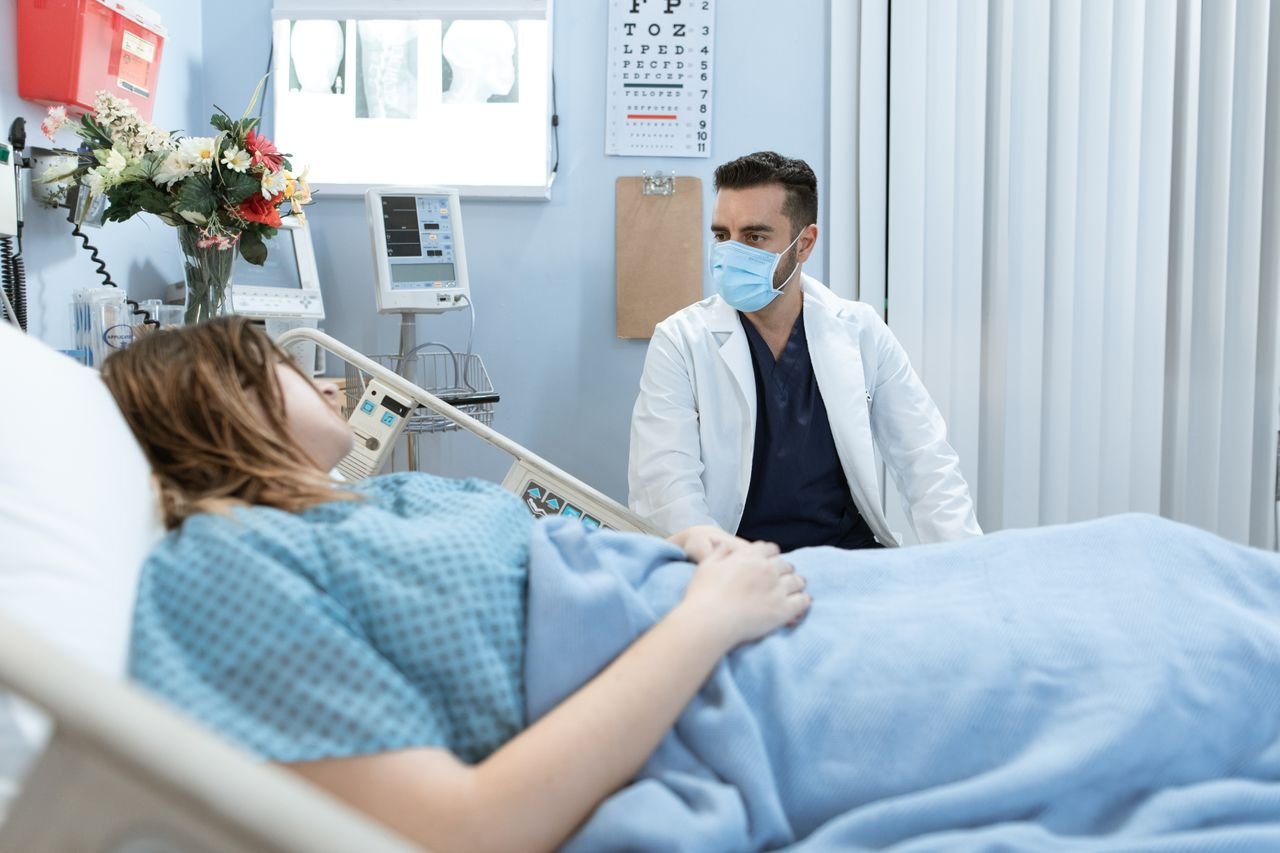
Addiction is a biological condition that requires medical stabilization. In a residential setting, patients have immediate access to board-certified physicians, specialized nurses, and psychiatric professionals. This is particularly vital during the early stages of recovery when withdrawal symptoms or underlying mental health crises can be volatile. Having professional support available at 3:00 AM is often the difference between a successful night of recovery and a middle-of-the-night relapse.
-
The Clinical Core: Evidence-Based Therapies for Behavioral Change
Healing in a residential facility is not a passive process. It involves a rigorous, daily schedule designed to identify the psychological roots of the addiction and rewire the brain’s response to stress.
Cognitive Behavioral Therapy (CBT) and Dialectical Behavior Therapy (DBT)
- CBT: This foundational therapy helps adults identify the “cognitive distortions”—the negative, automatic thought patterns—that lead to substance use. By challenging these thoughts, patients learn to replace self-destructive behaviors with healthy, reality-based coping mechanisms.
- DBT: Originally developed for severe emotional dysregulation, DBT is exceptionally effective for those who use substances to numb intense feelings. It focuses on mindfulness and distress tolerance, teaching patients how to “ride the wave” of an emotion without acting on it.
Trauma-Informed Care and Dual Diagnosis
A vast majority of adults in treatment are also battling co-occurring mental health disorders, such as PTSD, anxiety, or clinical depression.
- Treating the “Why”: If a program only treats the drug or alcohol use while ignoring the underlying trauma, the patient remains at high risk for relapse.
- Specialized Modalities: Advanced residential programs utilize Eye Movement Desensitization and Reprocessing (EMDR) to help patients process past wounds so they no longer need to “medicate” their memories with external substances.
-
The Power of the Therapeutic Community
Isolation is the fuel that keeps addiction alive. For many adults, the shame associated with their substance use leads them to withdraw from friends and family. Residential treatment shatters this isolation through a “therapeutic milieu.”
Building Peer Connections and Accountability
Living in a community of peers who are walking the same path is a transformative experience. When an adult realizes that their fears, intrusive thoughts, and struggles are shared by others—regardless of their career background or social status—the weight of shame begins to lift. This peer connection fosters a sense of accountability that is nearly impossible to replicate in an outpatient setting.
Rebuilding Social and Communication Skills
Active addiction often erodes an individual’s ability to communicate healthily or set boundaries. Through daily group therapy and communal living, residents practice conflict resolution, assertive communication, and empathy. These social “muscles” are vital for successfully reintegrating into family life and the workplace after treatment is complete.
-
Integrating Holistic Wellness for Whole-Person Healing
Modern residential treatment for adults recognizes that you cannot heal the mind if you are ignoring the body and the spirit. An integrative approach ensures a more resilient foundation for sobriety.
Nutritional Restoration and Physical Vitality
Chronic substance use ravages the physical body, leading to systemic inflammation and malnutrition. Premier residential facilities prioritize:
- The Gut-Brain Axis: Chef-prepared, nutrient-dense meals designed to support the natural production of neurotransmitters like serotonin and dopamine.
- Fitness and Movement: Supervised exercise and yoga that help release “stored” trauma in the body and provide a natural, endorphin-based antidepressant effect.
Mindfulness and Expressive Arts
Recovery is about finding a sense of purpose and learning how to remain present.
- Meditation and Grounding: These practices teach adults how to manage the future-based anxiety that so often leads to a “relapse of the mind.”
- Experiential Therapies: Art, music, and nature therapy allow patients to bypass their analytical minds and process raw emotions that are too complex to put into words.
- Preparing for the Transition: Aftercare and Life Skills
The ultimate test of a residential program is not how well a patient does while they are at the facility, but how they thrive once they return home.
Developing a Robust Relapse Prevention Plan
Before discharging, every resident works with their clinical team to build a “relapse prevention roadmap.” This plan identifies specific triggers—such as a stressful workplace or a specific social circle—and outlines exact, step-by-step strategies to deploy when those triggers arise.
Continuity of Care and Alumni Support
The transition back to full independence is a vulnerable time. High-quality programs ensure a “warm handoff” to outpatient therapists or local support groups. Furthermore, active alumni networks keep former residents tethered to a healthy community, ensuring they never have to walk the path of recovery alone.
Conclusion: Take the First Step Toward Your Transformation
Addiction is a formidable adversary, but it is not invincible. For an adult, choosing to enter a residential facility is not an admission of defeat; it is a strategic decision to prioritize your life, your health, and your family above all else. By engaging with a program that offers a meticulous blend of medical safety, evidence-based clinical therapy, and holistic wellness, you are laying the foundation for a future defined by freedom rather than dependency.
Seeking out residential treatment for adults is more than a medical necessity; it is a profound declaration that your life has value.
READ ALSO: Essential Strategies for Effective Healthcare Direct Marketing through Direct Mailing Services






Post Comment