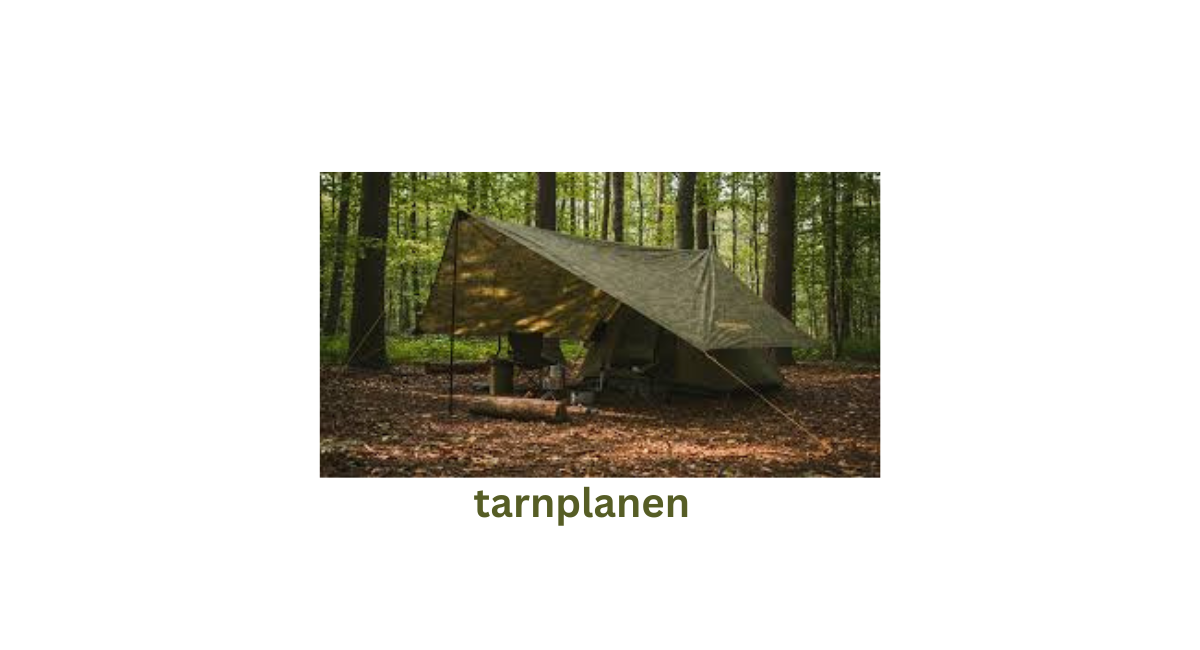
tarnplanen Brands Compared: Quality & Price Breakdown 2025
Introduction to tarnplanen
In 2025, the market for tarnplanen (tarpaulins or protective coverings) is more competitive than ever. From heavy-duty industrial to light garden covers, companies compete both in price and durability. If you need a covering for your truck, boat, lawn equipment, or building supplies, the correct company can save you money and aggravation. This article compares the top tarnplanen brands, reviews their weak and strong areas, and illustrates which offer the most value in 2025
What is a Tarnplanen?
A tarnplanen is a durable sheet of material, often water‑resistant or waterproof, designed to provide protection against sun, rain, wind, dust, and debris. Tarpaulins vary in materials (polyethylene, canvas, PVC, or reinforced woven materials) and find applications such as covering cargo, protecting outdoor furniture, or holding construction material together. Their function is to shield objects from weather and environmental destruction and prolong service life.
Key Quality Factors to Consider
When selecting tarnplanen brands, place the following quality features first:
Material & Thickness: Thicker gauges and multi-layer materials are less likely to tear and puncture.
Waterproofing & UV Resistance: The right brand ensures proper waterproofing as well as UV coating which prevents fading or becoming brittle.
Reinforcement & Grommets: Brands that reinforce edges and spacing of grommets remove stress points.
Tensile Strength & Tear Resistance: Susceptibility to being pulled and cut through is essential for longevity.
Warranty & Brand Support: Leading brands offer warranties or replacement policies.
Price vs Performance Balance: The ideal brand gives durability without exorbitant cost.
Leading Tarnplanen Brands in 2025
Here are some of the top names you’ll see in the market in 2025:
Brand A (premium/high end)
Brand B (industrial grade)
Brand C / D (mid-tier)
Brand E / F (budget)
Each targets a specific clientele and has strengths in products. Below, I compare two leading brands in detail, followed by other good alternatives.
Brand A: Strengths, Weaknesses & Price
Strengths
Brand A is often the “benchmark premium.” Its tarpaulins commonly use triple‑layer woven polyethylene, laminated coating on each side. That gives excellent tear resistance and very high waterproofing. Edge reinforcement is usually webbing and rustproof grommets spaced tightly to avoid sagging. Their UV inhibitors make them last for a few seasons in harsh sunlight.
Weaknesses
The biggest limitation is cost: you pay more. The greater weight also means greater bulk to carry or keep in store. In less-used applications, the extra performance may be unnecessary.
Price (2025)
Prices will be in the top 20 % of the market — perhaps 25–50 % above average. For example, a 4×6 m high-quality tarp would be €60–100 / equivalent local currency.
Brand B: Strengths, Weaknesses & Price
Strengths
Brand B typically sells to commercial and industrial customers. These tarpaulins are engineered to emphasize strength and tensile ability. Their products may feature high-denier woven fabrics, added reinforcement, and tight grommet spacing. They have strong warranty protection or replacement guarantees for commercial application.
Weaknesses
They may be heavier and less flexible for non-commercial application. In addition, the look (finish, color range) may not be as refined, with looks being the only priority.
Price (2025)
Brand B may cost just a bit less than Brand A in most cases if bought in bulk. A 4×6 m version might cost around €50–80 / local equivalent depending on region and specs.
Mid-range Brands Worth Mentioning
Between these two extremes, some mid-range brands hit the jackpot — good durability for fair price. Brands C and D usually offer:
Two-layer or supported polyethylene
Fair UV treatments
Fair warranty periods (typically 1–2 years)
Variety of sizes and colors
These are excellent if you need good performance without paying a premium price. Their cost is around 60–80 % of the premium brands but delivers 70–90 % durability for regular use.
Budget Tarnplanen Options
Budget brands (E, F, etc.) are appropriate for casual users who need only temporary protection. Their specs will tend to include:
Single-layer polyethylene or lighter material
Minimum UV protection
Grommets spaced far apart and minimal reinforcement
Shortness in warranty lengths (usually just a few months)
They’re suitable for infrequent application — i.e. covering a stack of wood for a single season — but might break down more when exposed to sun, wind, or wear. Their cost is the cheapest in the market, at times 30–50 % of premium brand price.
How to Choose Based on Your Use‑Case
In order to select the appropriate tarnplanen brand, align your requirements with features:
Use Case\tRecommended Tier\tKey Features to Look For
Heavy industrial, long‑term outdoor application
Premium / Industrial (Brand A or B)
Heavy layered build, full waterproofing, heavy grommets, long warranty
Seasonal garden furniture cover
Mid‑range (Brands C/D)
Adequate thickness, UV resistance, adequate edge reinforcement
Occasional or light use
Budget (Brand E/F)
Thin cover is sufficient, less need for heavy duty features
Also inspect local availability, after‑sales service, and shipping fees — sometimes brand premiums are overstated by logistics.
Care, Maintenance & Longevity Tips
To get the best out of any tarnplanen, follow these instructions:
Clean before storage: scrape off grime, oil, or debris with soap and water — these degrade coatings.
Dry thoroughly before folding — moisture invites mildew.
Fold loosely; avoid sharp creases: repeated stress along fold lines causes weakening over time.
Store inside or under protective cover when not in use.
Repair tiny tears in advance: use patch kits or reinforcing tape so tears won’t spread.
Re-spray with UV protective spray every year if the tarp is not industrial UV-coated.
With good maintenance, good-quality tarps will last for years; cheap ones will last 1–2 seasons at most.
Final Verdict: Best Value in 2025
If your budget can stand it, Brand A is still the benchmark in 2025 for durability, performance, and trust. If industrial strength is required, Brand B tends to produce similar results at a lower price point, particularly in large quantities. Mid‑range products provide great compromise, while budget options are good enough for the occasional use.
My overall tip: for heavy or extended outside use, opt for a top-shelf / industrial label. For brief or light use, a mid-end label is most frequently the better value for money. Always shop by spec (thickness, grommets, guarantee) not brand name.
Conclusion
Choosing the best tarnplanen brand of 2025 is a question of compromising on quality, durability, and cost. The high-end labels are expensive but generally worth it in terms of superior materials, reinforcement, and warrantee support. Factory brands will match quality to top-level status at a marginally cheaper price, particularly in bulk.
Mid-range brands offer excellent compromise: good durability at reasonable price. Penny-pincher models have their niche when needs are small and temporary. Whatever your choice, always examine specifications like thickness, water resistance, UV resistance, grommet quality, and edge support.
Tending to your tarp actually extends its life: cleaning, drying, storing, and mending early makes a big impact. A well-chosen and well-maintained tarnplanen is an investment in durability and protection protecting your assets from weather, wear, and damage for many years.
Armed with analysis made here, you can now do a comparison of tarnplanen brands in 2025 with authority, understand what factors really are of significance, and pick the best value based on your specific use.





Post Comment