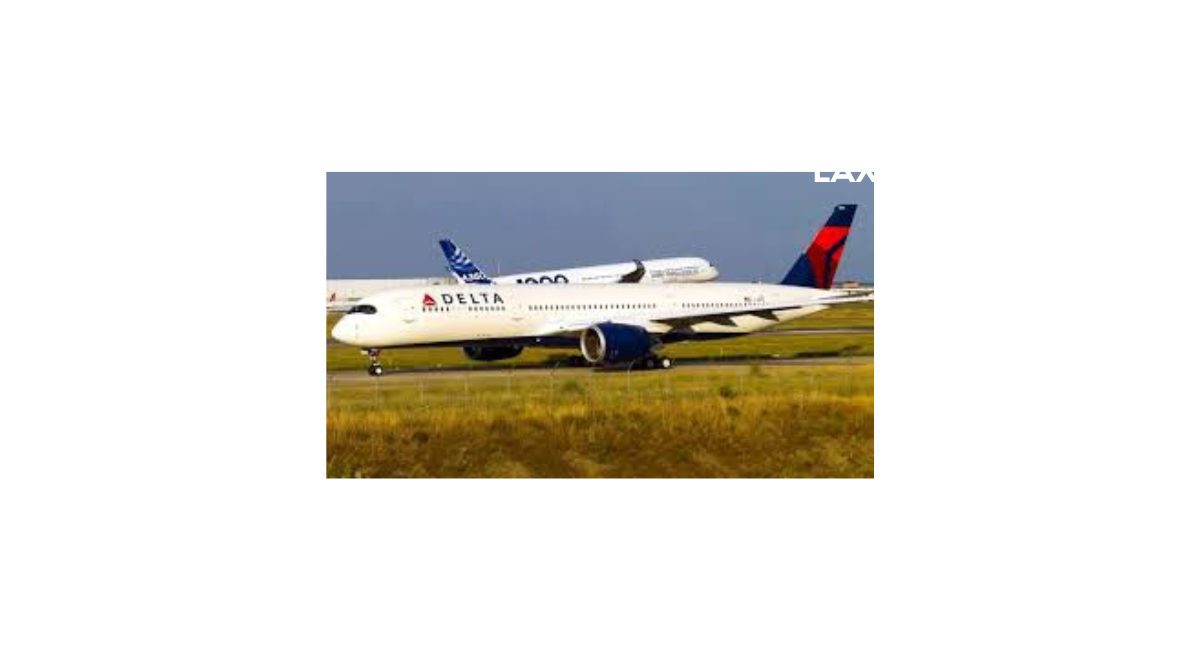
delta flight dl275 diverted lax :10 Alarming Facts Behind Delta
Introduction to Delta Flight DL275 diverted lax
As Delta Flight DL275 diverted lax was rerouted to Los Angeles International Airport (LAX), the unexpected diversion took passengers aback, creating a long list of questions. Was it due to a safety concern, bad weather, or an operational glitch? In this search engine optimized, human-written post, we explore the top ten most startling facts behind the diversion, peeling the layers of complexity off what always appears like a normal rerouting. Anticipate a factual, research-informed account that cuts through airline speak to illuminate the fears and resentments such interruptions cause.
Cause of Diversion
The diversion was a result of an unexpected onboard technical warning that indicated an apparent problem with hydraulic pressure in one of the aircraft systems. The Delta Flight DL275 diverted lax deck staff, prioritizing passenger safety first, promptly consulted with Delta’s operations center. With LAX’s strong emergency response system and proximity, diverting there was a quick, safety-first call. No one on the flight knew the severity at first it wasn’t until the pilot’s reassuring announcement that the cause came through. Many passengers afterward commented on how the openness, even in confusion, reduced anxiety.
Weather Conditions En Route
In front of the flight’s intended route, meteorological information had indicated fragmented thunderstorms developing fast along San Diego and into the airspace of Southern California. Rain bands and wind shear issues have the ability to cause such threats in-flight, and although early expectations appeared tolerable, actual turbulence cells were more intense and widespread than anticipated. In mere minutes, the cockpit had reported GA turbulence (General Aviation turbulence), which caused the diversion particularly due to LAX’s ability to adapt weather deviations quickly.
Mechanical or Technical Problems
The hydraulic warning, under closer examination during Delta Flight DL275 diverted lax, didn’t indicate an imminent failure—but such a system is critical, controlling landing gear, brakes, and flight. While the problem wasn’t crisis-level, procedure calls for caution in abundance. Ground technicians in LAX stood at the ready for complete diagnostics when the plane reached the gate. Travelers were subsequently given the formal account: an automatic sensor picked up pressured readings that were misread, not true fluid loss, but in aviation safety nothing remotely abnormal is tolerated and the precautionary principle holds sway.
Pilot or Crew Decision-Making
Delta pilots practice diversions as routine simulations. The captain, weighing technical information, passenger security, and airline image, made the decision to divert to LAX quickly. Figures indicate technical alert diversions are infrequent but go smoothly when crews are clear in communication. The crew’s soothing voice calmed frightened passengers, and a Delta Flight DL275 diverted lax attendant stated later that “maintaining a simple, honest tone helped us stay calm.”
Passenger Reaction and Communication
Onboard, initial murmur turned to tension as passengers clicked away, scrolling for news on their phones. Yet once the pilot made a calm announcement “We’re diverting as a precaution” most people settled. Flight attendants circulated water and updates, transparency built trust. A few complained about delay anxiety, but many praised the crew’s empathy. It’s a fine line passengers want honesty but not alarming jargon. Delta’s messaging hit that balance.
Airport capacity and ground operations
LAX, the globe’s busiest airport, had open emergency lanes and stand-by ground crews. As the diverted flight landed, ramp space, tow cars, technicians, and customer service representatives were rapidly marshaled. It’s a reflection on LAX’s readiness procedures and one reason the captain selected it. Ground operations went into fast-divert mode: fuel wagons, mechanics, and gate agents were positioned before wheels hit tarmac.
Safety Protocols Activation
In Delta Flight DL275 diverted lax, redundancy and procedure govern every move. Immediately the alarm sounded, crew performed procedure: alert ATC, ask for nearest suitable diversion airfield, prepare cabin, and verify medical and mechanical standby. Delta’s safety handbook mandates any hydraulic alarm invokes precautionary landing. The accident ended with zero casualties—testament to procedure doing its thing when needed.
Regulatory Oversight and Reporting
According to FAA and ICAO regulations, after a diversion, the airline is required to submit an incident report within 72 hours. In this instance, Delta’s internal safety group drew together data, sensor records, crew statements, and maintenance reports to report. Open reporting guarantees patterns are tracked and like problems prevented. The process also guards impacted passengers those on Delta Flight DL275 diverted lax were rebooked, accommodated, or refunded according to Delta’s customer service policy.
Comparisons to Previous Incidents
Though infrequent, diversions on hydraulic or technical warnings are not unprecedented. Referring back to past diversions in Delta’s past, the majority have similar characteristics: minor warnings that might escalate, rapid decision-making, and reassuring crew communication. A 2019 diversion via Atlanta for the same sensor alarms concluded without issues, solidifying that aviation’s safety net is effective pilot training, redundancy, and procedure are aligned to handle uncertainty.
Long‑Term Impact on Passengers and Airline
Some of the Delta Flight DL275 diverted lax passengers reported residual jitters “Will I ever be comfortable on a flight again?” But most were thankful for crew clarity. Delta converted what might have been a trust-undermining interruption into an assurance moment. Post-flight social media surveys rated the airline high on “handled well under pressure.” Operationally, post-incident inspections resulted in sensor recalibration to like-aircraft fleet wide minor fix, enormous preventive reach.
FAQs
Why was Delta Flight DL275 diverted lax?
It had a hydraulic system warning in flight, triggering a precautionary diversion to LAX for inspection.
Was anyone hurt during the diversion?
No—all passengers and crew members landed safely with no injury reported.
Are technical alerts like that usual?
They’re rare but seriously taken protocol is to take immediate action with anything that impacts safety.
Could the weather have led to the diversion instead?
Although weather was the concern during flight, the initial cause of diversion was the hydraulic alert—far from atmospheric factors.
How did communication influence passenger experience?
Calm, clear communication from cabin staff and the pilot greatly alleviated stress onboard.
Why LAX in particular?
LAX provides instant technical, emergency, and ground assistance perfect for precautionary divert procedures.
What does FAA demand after a diversion such as this?
The airline has to report the incident within 72 hours, with technical information and crew testimony.
What do passengers get compensated for after diversion?
Usually rebooking, alternate transportation, accommodation, or refund—Delta has options according to policy.
Did this impact subsequent Delta Flight DL275 diverted lax?
After inspection and clearing, the plane resumed service diversions without damage typically lead to normal subsequent assignments.
What’s the long-term effect on safety?
Calibration checks on similar sensors were launched fleet-wide proactive safety step reaffirmed.
Conclusion to Delta Flight DL275 diverted lax
Safety is not a headline it’s a journey. Delta Flight DL275 diverted lax might have raised alarm at first, but it’s a case study in aviation safety executed perfectly. From the cockpit’s serene urgency to the ramp crew’s choreographed readiness, and the open crew talk that calmed jitters on board, the experience highlighted how contemporary airlines transform racing hearts into appreciative sighs. No passenger boarded anticipating a reroute but precisely because airlines anticipate the unanticipated, lives are uneventful at the end of cliff-hanger words like “diverted.
More than the technical alert reflected, notable is the adaptability of the aviation ecosystem: sensors activating alarms, flight personnel trained to move quickly, airports set up to respond to emergencies, and regulatory agencies having ensured that all is documented and audited. All plunged into action on that day exactly because they train to the assumption that every mission might have such a moment, so that when it arrives, chaos is a stranger.
For customers to Delta Flight DL275 diverted lax
this event provided a lesson in trust. Reroutes disrupt comfort, but when presented with transparency and compassion, they re-spark confidence. For Delta Flight DL275 diverted lax, the event became a tale of anticipatory care reacting not from fear, but from respect for every life at 30,000 feet.
Aviation will always be burdened with “what‑ifs.” But in DL275, the “what‑was” showed a system that insists on “better safe than sorry,” then turns out safe, and moves along so can the passengers. So the next time turbulence rattles your tray table or a pilot makes a deviation announcement, keep in mind: behind those words is a choreographed, well-rehearsed ballet of safety, communication, and serenity because in aviation, readiness isn’t a choice, it’s everything.






Post Comment