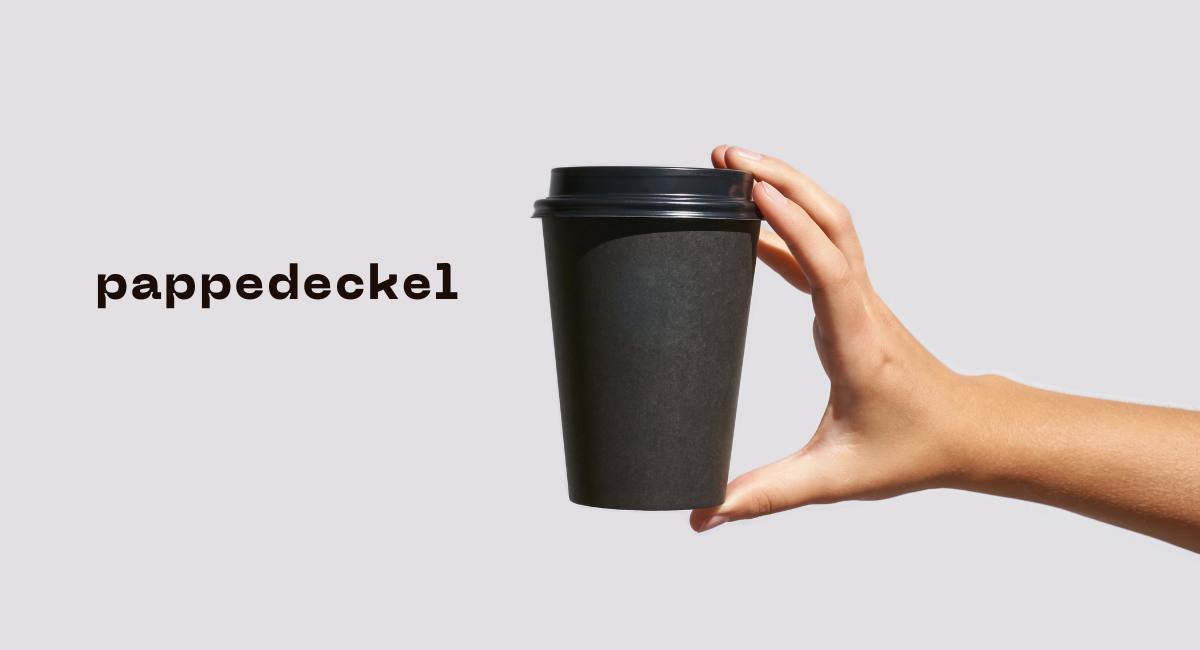
How Pappedeckel Lids Cut Costs and Waste : 10 Real-World Case Studies
Introduction to Pappedeckel
With sustainability Pappedeckel no longer a choice, companies are looking to cutting-edge packaging innovations to drive down costs and reduce their environmental footprint. Pappedeckel lids, made from cardboard, provide a compelling solution to conventional plastic alternatives. With their lightweight, biodegradable, and customizability, these green-friendly lids are making their way into cafeterias, bakeries, and industrial conglomerates in growing numbers. In this article, we discuss How Pappedeckel Lids Cut Costs and Waste in 10 real‑world case studies. From reducing waste to logistical efficiencies and branding advantages, discover how this easy packaging decision can result in significant cost savings and cleaner operations.
Overview
Small independent bakeries are frontline innovators typically evolving new solutions ahead of larger companies. At one busy neighborhood bakery, a change from plastic to Pappedeckel lids eliminated 40 kg of daily packaging waste. The lightweight cardboard design removed excess bulk, enabling storage in smaller areas and fewer delivery runs. The bakery also took advantage of neighborhood recycling services to keep end‑of‑life disposal environmentally friendly. During the course of one year, the bakery incurred 18% less in packaging costs, due to bulk purchasing and lower waste disposal charges.
Case Study: National Fast‑Food Chain’s Cost Savings
One big fast‑food chain tested Pappedeckel lids on 50 stores. The test uncovered two important findings: lighter lid weight trimmed shipping volume by 30%, and the recyclability of cardboard lowered the cost of waste disposal by 25%. Assuming the packaging accounts for 5% of per-unit cost, the chain estimated $150,000 in annual savings on test locations. The Pappedeckel lids also provided clearer graphics enhancing branding and product communications.
Case Study: Composting Program of Campus Cafeteria
A cafeteria in a university introduced compostable Pappedeckel lids, allowing them to fold precisely into current compost streams. Food-soiled lids and scraps go into the university’s composting plant and generate nutrient-rich soil for campus gardens. The program reduced non-compostable landfill waste by 60%, lowering dumping fees and supporting sustainability credentials. Furthermore, student surveys recorded higher satisfaction and appreciation for the institution’s environmental initiatives.
Case Study: Branding Innovation of Bakery Franchise
A local bakery franchise embraced bespoke‑printed Pappedeckel lids with seasonal designs and product graphics. This design enhancement improved customer perception and impacted sales directly: products with thematic lids experienced a 12% boost. With cardboard’s print flexibility, the franchise designed new campaigns rapidly and sustainably without the trial-run wastage associated with plastic.
Case Study: Event Catering’s Lightweight Efficiency
An event food service company providing lunches to business conventions switched to Pappedeckel lids. The lighter lids cut the weight of bulk packages by 15% and the freight and labor bills that went along with them. The cardboard lids also stacked better, causing less damage during transport and resulting in cleaner appearance. The company expected a 10% decrease in total operation expense on large jobs.
Case Study: Supermarket Ready‑Meal Department
A leading supermarket chain replaced polystyrene caps with Pappedeckel caps in its ready‑meal department. Consumers liked it: the packaging seemed more natural and contemporary. Ready‑meals sales rose 8% in the initial quarter after the implementation. Waste audits showed a 35% reduction in non‑recyclable packing. Coupled with reduced government eco‑levy on plastics, the store saved around €75,000 per year.
Case Study: Airline Meal Service Optimization
An airline meal provider incorporated Pappedeckel lids into its flight meal trays. Two useful advantages were noticed: cardboard lids were quieter (no rattling) and more space‑efficient; improved stacking and packing enhanced cabin storage configurations as well. Fuel‑related freight expense declined slightly, passengers indicated a minimally improved experience—quiet lids = less noise. In the long run, these lids enabled 5‑tonne yearly packaging weight savings, both adding to sustainability statistics and overall cost reduction.
Case Study: Office Lunchroom Sustainability
A business office complex replaced plastic lids with Pappedeckel lids on all vendor‑supplied lunch offerings. This change was in line with company sustainability objectives and was highly visible as a part of internal green initiatives. Staff input identified the environmentally friendly packaging as a staff morale enhancer. The company gained good internal PR, and the resulting waste stream cost was reduced 20% by recycling more and disposing of less plastic.
Case Study: Packaging Streamlining of Food Truck
A successful street food stand changed to Pappedeckel lids on to‑go orders. The cardboard design fit snugly, facilitated handoffs, and reduced blow‑outs (tops popping off from pressure). Due to stackability and light weight, the vendor could carry more orders per trip, increasing daily run‑efficiency by 15%. The green appeal of the lids also attracted social‑media followers, earning the vendor followers and traffic.
Case Study: University Research Kitchen’s Closed‑Loop System
A university R&D kitchen piloted an ambitious closed‑loop initiative: Pappedeckel lids were gathered, pulped, and blended with on‑campus composting. The resulting compost supplied campus urban‑agriculture initiatives. This solution sent almost 1.2 tonnes every year of cardboard to waste diversion. The model was economically sustainable and pedagogical: students were involved at every stage—monitoring inputs, outputs, and sustainability impacts.
FAQ
1. What are Pappedeckel lids?
Pappedeckel lids are cardboard lids for food containers, a biodegradable and lighter option than plastic.
2. Are they compostable?
Yes—many are industrially compostable, and some are also taken by home compost, depending on ink and adhesive used.
3. Do they contribute to supply costs?
Production may cost more per unit at first, but cost savings in shipping, waste removal, and branding usually make up for that.
4. Will cardboard lids withstand hot or wet food?
Contemporary Pappedeckel lids are laminated or treated to be resistant to moisture and heat; in the majority of usage situations, they work just as well as plastic.
5. Can they be branded?
Yes—printing on cardboard is versatile and tend to be more colorful, allowing branding.
6. Do they have an effect on food safety?
They comply with safety regulations when properly coated; always verify food-grade certification.
7. What about recycling?
Cardboard lids usually go into normal recycling streams; if food-contaminated, they’re usually compostable in their place.
8. Are they safe for every kind of food?
They are best for dry or ambient temperature foods; highly oily or liquid-heavy foods could need barriers or other packaging.
9. Do they save money in the long run?
Yes by reducing shipping volume, waste charges, and increasing brand value or consumer desire.
10. How do companies transition to them?
Begin with a pilot program targeting shipping-intense or high-waste lines; monitor variables such as waste weight, cost of disposal, and customer comments to generate ROI proof.
Conclusion
In the business world today, where every choice overlaps with environmental and financial implications, Pappedeckel lids are a pragmatic, eco‑friendly packaging solution. From local bakeries and college cafeterias to airlines and food trucks, in ten real-world applications, these cardboard lids provide concrete advantages: waste savings, lower expense, logistical savings, and attractive branding possibilities.
Each situation describes the same thing:
whether reducing daily trash by dozens of pounds or saving thousands a year on disposal costs, these lids save money while showing ecological responsibility. They achieve this not just through material substitution, but by integrating perfectly into prevailing operations—compost systems, supply chains, customer interactions.
What really makes Pappedeckel lids sparkle is their value on several fronts. They’re not packaging, they’re a brand element, an eco-statement, and a cost-saving convenience. From campus research kitchens promoting closed-loop operations to bakery franchises employing seasonal printed lids to surprise customers, the effects are obvious and rewarding.
For companies
who want to align sustainability with bottom-line value, the proof is in the pudding: a modest adjustment in packaging material can ripple into substantial savings, waste minimization, and brand equity. The future of packaging isn’t about looking good—it’s about being smart, sustainable, and, most importantly, effective.





Post Comment